

Loading page
Skip to content
For families
Reassurance, clarity and communication for families and people who care about young people.
The things people ask first
Warm, supportive and easy to understand — recognising that families may feel anxious or uncertain.
How we welcome a young person and help them feel at home.
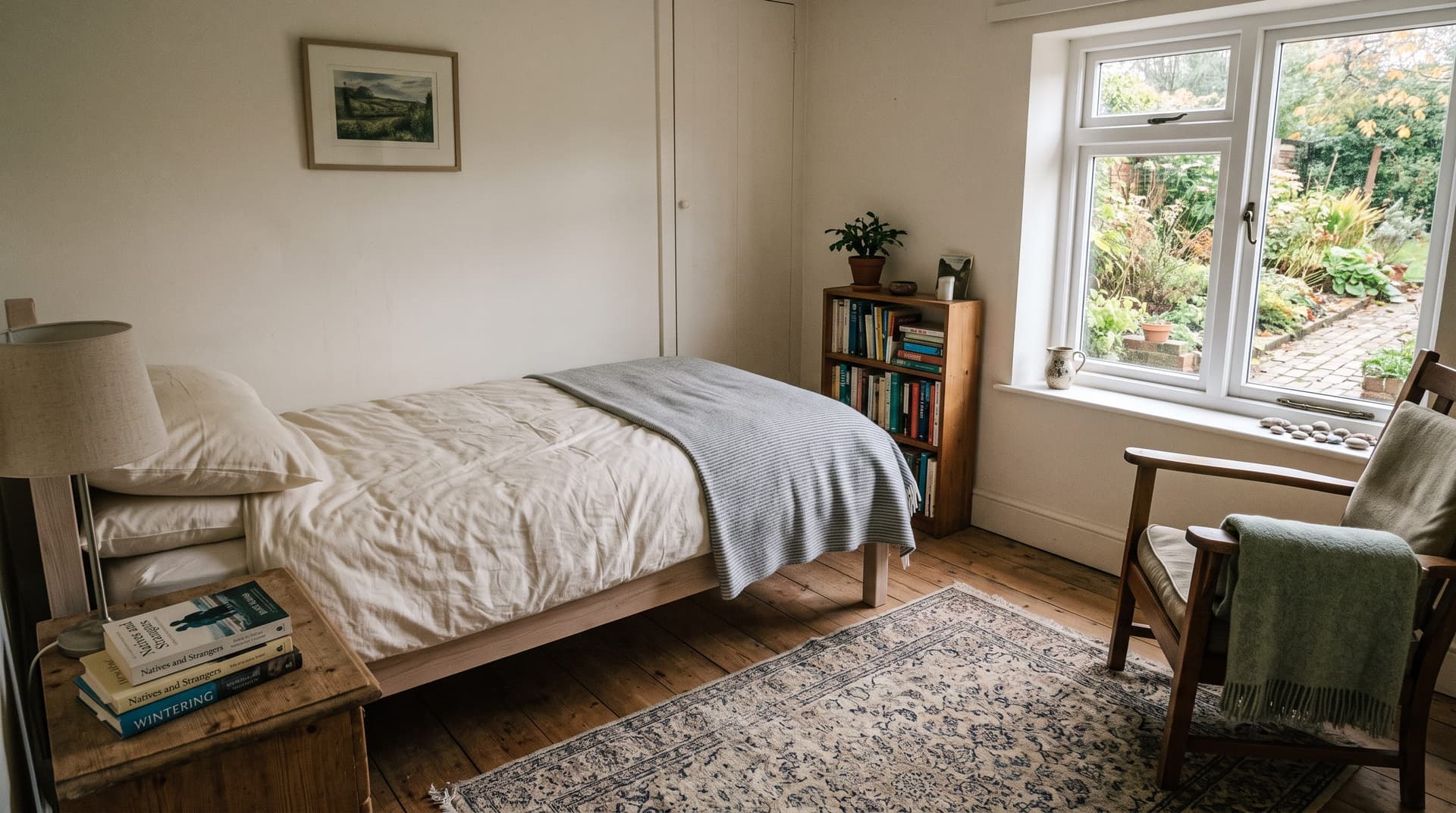
The first few days are kept deliberately quiet. There is a bedroom that is already theirs, the same small group of adults each day, and time to learn how the house works before anything is asked of them. Nobody has to explain themselves to be made welcome.
Who your main contact is and how updates are shared.
Every young person has a key worker, and for most families that is the person you will hear from. They will tell you who they are and how you can reach them. If you would rather speak to the home's manager, you can ask at any time and you do not need a reason.
Supported where this is safe and appropriate.
Where it is safe and set out in the care plan, we help young people stay in touch with the people who matter to them. Contact arrangements are decided by the placing authority rather than by us, so if something is restricted we will tell you who to ask and why, rather than leave you guessing.
How we safeguard young people every day.
Safeguarding is not a folder on a shelf. It is what the training, the supervision and the daily handovers between staff are for. Concerns are recorded and shared with the young person's social worker, and the home is inspected by Ofsted, whose reports are public.
Support with school, appointments and wellbeing.
School, college or training is arranged as quickly as it can be, and kept going through any disruption. Registering with a GP and a dentist, getting to appointments, and support with emotional wellbeing are part of the everyday routine rather than something that happens only when there is a problem.
How to raise something and what happens next.
Start with the home's manager. Most things are resolved there and quickly. If you are not satisfied, you can ask for it to be taken further within Brinscall Care, and you can always raise it with the young person's social worker or directly with Ofsted.
The first few weeks
Young people are welcomed, listened to and supported from the moment they arrive — with help to understand routines, stay connected to important people where safe, and get support with school, health, wellbeing and independence.
What safeguarding looks like
Part of our Model of Care, which sets out how we work with every young person.
You do not need to wait for a review or go through anybody else. Ask for the home’s manager and say what is on your mind.
Our homes
Small houses on ordinary streets, with a handful of young people and adults who are still there a year later.